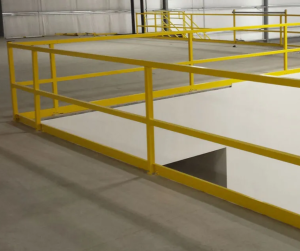
Fiberglass grating provides a durable, corrosion-resistant solution for industrial flooring and walkways. Its resilience makes it suitable for environments exposed to chemicals, moisture, or electricity. Facilities experience safer, more efficient operations thanks to its durable structure. Installation and maintenance are straightforward, supporting long-term facility management.
Engineers and procurement teams benefit from the material’s strength, light weight, and low upkeep. Fiberglass grating adapts to heavy-duty applications while maintaining slip resistance and stability. This solution improves workplace safety and ensures dependable performance. Selecting the appropriate grating enhances both operational efficiency and reliability.
What Is Fiberglass Grating
Fiberglass grating consists of glass fiber reinforcement embedded in a resin matrix, creating panels suitable for industrial flooring, platforms, and walkways. The material provides high corrosion resistance, is lightweight, non-conductive, and requires minimal upkeep. Fiberglass grating comes in molded and pultruded forms, each tailored for specific load and span requirements.
The resin and glass fibers ensure resistance to moisture, chemicals, and environmental wear. Industrial applications such as water treatment plants, chemical processing, and food processing facilities benefit from consistent performance and long service life.
Molded vs Pultruded Fiberglass Grating: Which Should Be Chosen
Selecting the correct type of fiberglass grating supports safety and efficiency. The table below illustrates key differences:
| Feature | Molded Fiberglass Grating | Pultruded Fiberglass Grating |
| Strength Direction | Bi-directional | Unidirectional |
| Load Capacity | Moderate, evenly distributed | Higher in bearing direction |
| Manufacturing Method | Continuous mold process | Pulled through the heated die |
| Surface Options | Gritted or meniscus | Gritted standard |
| Panel Sizes | Commonly 3 x 10, 4 x 12 | Customizable lengths |
| Ideal Applications | Platforms, trenches, chemical areas | Long-span walkways, heavy loads |
Molded fiberglass grating provides balanced support across the panel, making it suitable for platforms and areas with varied loading. Pultruded grating offers increased strength along the bearing direction, supporting long spans and elevated walkways. Specification with Steinco Industrial Solutions ensures selection aligns with structural requirements and environmental demands.
Six Industries Where Fiberglass Grating Excels
Discover how fiberglass grating provides unmatched strength, durability, and corrosion resistance across diverse sectors, from industrial plants to marine environments.
Chemical Processing and Water Treatment
Fiberglass grating corrosion-resistant panels perform well in environments with acids, alkalis, and continuous moisture exposure. Resin selection enhances chemical protection and durability.
Food and Beverage Manufacturing
Washdown routines and sanitation protocols are compatible with fiberglass grating for food processing. The material remains clean, safe, and compliant with OSHA regulations.
Pharmaceutical Facilities
Chemical disinfectants and controlled environments maintain grating integrity. Non-conductive panels provide safety and maintain hygiene standards.
Oil and Gas Platforms
Salt exposure and offshore conditions are handled efficiently with fiberglass grating. Lightweight panels reduce structural stress while maintaining strength.
Electrical Substations
Fiberglass grating is non-conductive, providing additional safety for personnel in high-voltage zones. Panels support secure access and compliance.
Marine and Coastal Structures
Coastal facilities benefit from corrosion-resistant panels that withstand exposure to saltwater. Maintenance requirements remain low, and long-term performance is sustained.
Fiberglass Grating vs Steel Grating vs Expanded Metal
Compare the strengths, durability, and maintenance of fiberglass grating, steel grating, and expanded metal to see which solution best fits your industrial, commercial, or outdoor applications.
| Property | Fiberglass Grating | Steel Grating | Expanded Metal |
| Weight | Lightweight | Heavy | Moderate |
| Corrosion Resistance | Excellent | Moderate | Moderate |
| Conductivity | Non-conductive | Conductive | Conductive |
| Slip Resistance | High with gritted options | Moderate | Moderate |
| Maintenance | Low | High in corrosive areas | Moderate |
| Lifespan in Wet Environments | 20+ years | 5 to 10 years | 7 to 12 years |
| Relative Cost Initial | Moderate | Lower | Lower |
| Total Cost of Ownership | Low | Higher | Moderate |
| Best Environment | Chemical, wet, electrical | Dry structural | Light-duty flooring |
Fiberglass grating supports long-term operational efficiency. Corrosion resistance and low maintenance provide consistent safety and longevity in multiple industrial environments.
How to Specify Fiberglass Grating
The specification depends on the load type, span, and support configuration. Panels are available for pedestrian traffic, maintenance equipment, and occasional vehicular use. Support spacing and resin selection affect performance.
- Resin Types: Polyester provides general chemical resistance, vinyl ester enhances chemical durability, and phenolic offers fire performance
- Surface Options: Gritted panels improve slip resistance for wet areas, while meniscus surfaces are suitable for indoor flooring
- Compliance: Panels align with ASTM E84 flame spread standards and OSHA 1910.23 for walking-working surfaces
Weight capacity depends on thickness, span, and support method. Engineering guidance ensures proper performance and safety.
Fiberglass Framing Systems and Unistrut Integration
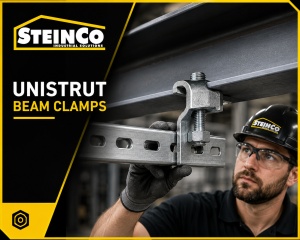
Fiberglass grating functions effectively with Unistrut fiberglass channel framing. Fully corrosion-resistant installations include panels, framing, fittings, and hardware. Systems integrate with platforms and walkways, ensuring consistent durability.
Steinco Industrial Solutions offers fiberglass framing wholesale products, enabling coordinated installations with design-through-installation support. Facilities gain a unified, corrosion-resistant structure that efficiently supports daily industrial operations.
Industrial Benefits of Fiberglass Grating
Fiberglass grating enhances operational safety, reduces maintenance, and sustains performance in environments with moisture, chemicals, or electrical exposure. Coordinated installation with fiberglass framing systems provides long-term reliability.
Steinco Industrial Solutions supports Ohio facilities with guidance, wholesale access, and integrated solutions for industrial walkways and platforms.
Explore Unistrut Fiberglass Framing Systems at Steinco Industrial Solutions and request a wholesale quote for engineered grating solutions.
Frequently Asked Questions
1. How strong is fiberglass grating?
Strength varies by thickness and type. Pultruded panels support longer spans, while molded panels distribute loads evenly across the surface.
2. Is fiberglass grating slippery?
Gritted surfaces improve traction in wet or chemical-exposed environments, supporting compliance with OSHA standards.
3. How long does fiberglass grating last?
Panels typically last more than 20 years in corrosive environments with minimal maintenance.
4. Can fiberglass grating support vehicle weight?
Heavy-duty pultruded panels accommodate vehicular loads when designed with appropriate support spacing.
5. How is fiberglass grating installed?
Installation uses stainless steel or FRP clips. Panels can be field-cut with carbide-tipped tools.